Prevent mold before it silently takes over your home and causes serious problems. Mold is one of those hidden dangers that often grows unnoticed, thriving in damp or humid areas caused by small leaks, plumbing issues, or recent water damage. Over time, it can spread quickly behind walls, under floors, or in the ceilings. This leads to health risks such as allergies and respiratory issues. Taking early action to prevent mold not only protects your family’s well-being but also helps you avoid costly repairs and structural damage to your home.
In this guide, we’ll break down everything you need to know about mold remediation – from spotting the early signs to restoring your space and keeping it mold-free for good.
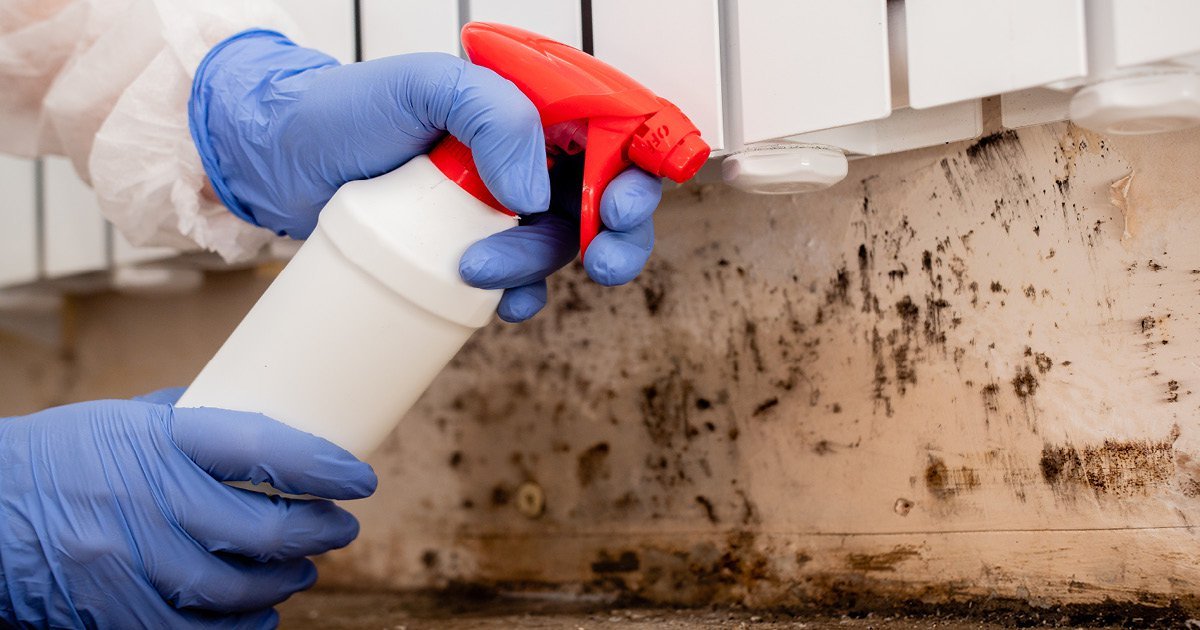
What Is Mold Remediation and How to Prevent Mold in Your Home
Mold remediation is the professional process of identifying, containing, removing, and preventing mold growth in a building. It goes beyond just cleaning visible mold; it addresses the root cause to ensure it doesn’t return.
Effective mold remediation typically includes:
- Inspection and moisture mapping
- Containment of affected areas
- Air filtration and negative air pressure
- Removal of contaminated materials
- Cleaning and sanitizing
- Drying and dehumidification
- Preventive recommendations and repairs
Why Mold Is a Serious Problem
Mold isn’t just unsightly – it can be dangerous. Mold spores are airborne and can cause health problems such as:
- Allergic reactions
- Asthma flare-ups
- Respiratory infections
- Eye, skin, and throat irritation
People with compromised immune systems, young children, and the elderly are especially vulnerable to mold exposure. That’s why effective restoration and prevention are essential, not only to protect health but also to stop mold from weakening wood framing, drywall, insulation, and other structural parts of your home over time.
Signs You May Have Mold
While some mold is easy to spot, much of it hides behind walls, under floors, or inside HVAC systems. To prevent mold from spreading, watch for these warning signs early.
- Musty or damp odors
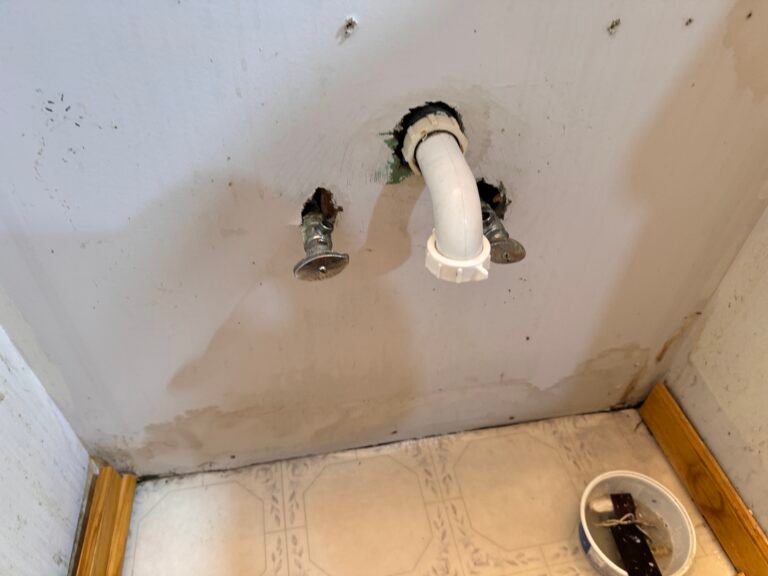
- Water stains or discoloration on ceilings and walls
- Peeling paint or bubbling drywall
- Warped flooring
- Persistent allergy-like symptoms at home
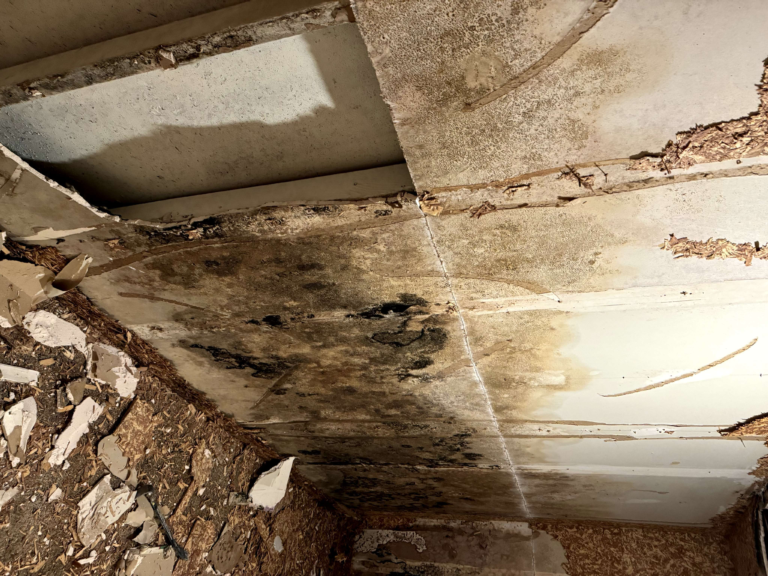
- Visible mold spots (black, green, or white)
If you notice any signs of damage or moisture problems this season, schedule a professional mold inspection as part of your fall renovation plan. Addressing potential mold issues early ensures your Kansas City home stays safe, healthy, and ready to increase in value.
The Mold Remediation Process
1. Inspection & Testing
A certified technician will inspect the property, identify affected areas, and may take air or surface samples to determine mold type and severity.
2. Containment
To prevent spores from spreading, the remediation team will isolate the affected area using plastic sheeting and create negative air pressure.
3. Air Filtration
HEPA-filtered air scrubbers run continuously to trap mold spores during cleanup.
4. Mold Removal
Porous materials like drywall, insulation, or carpet may be removed. Non-porous surfaces are treated with antimicrobial agents and thoroughly cleaned.
5. Drying & Dehumidifying
Moisture is the root of all mold problems. Commercial-grade drying equipment ensures the space is thoroughly dry.
6. Restoration & Prevention
The final step includes restoring removed materials and making repairs to prevent future mold – like fixing leaks, improving ventilation, or adding dehumidifiers.
DIY Mold Removal: When It’s Safe and When It’s Not
You can safely clean small areas (less than 10 square feet) of surface mold using soap and water or white vinegar. Wear gloves and a mask, and always ventilate the space.
Call a professional when:
- The area is larger than 10 square feet
- Mold is inside walls, HVAC systems, or crawlspaces
- You’ve recently experienced water damage
- People in your home are experiencing mold-related health symptoms
Mold Remediation in Kansas City
Kansas City’s weather can swing from humid summers to icy winters – a combination that creates prime conditions for hidden leaks, condensation, and moisture buildup. At Restor KC, we specialize in identifying mold at the source and safely removing it with minimal disruption to your home or business.
We handle everything from post-flood mold growth to attic infestations, offering complete restoration and prevention solutions. Our team provides expert recommendations to keep your property mold-free long after the cleanup is complete.
Final Thoughts
Mold is more than a nuisance – it’s a risk to your health and home. But with the right remediation team and a proactive approach, you can eliminate the threat and enjoy a safer, cleaner living environment.
If you suspect mold in your Kansas City home, don’t wait. Contact Restor KC for fast, certified mold remediation services that get it done right the first time.